By Phil O’Toole
Managing Partner

As Centium celebrates its 10‑year anniversary, we’ve been reflecting on how much the Australian workplace has evolved — and where challenges remain.
In 2016, three issues dominated the landscape when it came to women in the workplace:
1. Persistent gender pay gaps
Workplace Gender Equity Agency (WGEA)’s 2016 Gender segregation in Australia’s workforcefact sheet highlighted the ongoing impact of occupational segregation on pay inequality. Having remained persistent over the previous 20 years, the report noted that gender segregation remained a defining feature of the Australian labour market and continued to drive differences in earnings.
2. Limited access to flexible work
WGEA’s 2016–17 Gender Equality Scorecardand the 2016-17 Employer Data Overview found that while flexible work policies were increasingly available, actual uptake remained low. Flexibility was still perceived as career‑limiting, and most organisations had not yet embedded it as a strategic workforce capability.
3. Under‑representation of women in leadership
Across industries, women continued to hold fewer CEO and key management positions, particularly in male‑dominated sectors. The analysis identified this as a structural feature of the workforce rather than a simple pipeline issue.
Source: Gender Segregation in Australia’s Workforce (CICA, 2016)
Fast‑forward to today, and the landscape has shifted. Women are shaping reform agendas. Organisations are more aware of the cultural and structural barriers that affect participation and progression.
The number of women in leadership and management roles has increased but there is more to be done, and genuine pay equity continues to allude us, challenging organisations and policymakers alike.
The pandemic reshaped the workforce in ways we’re still navigating. COVID‑19 accelerated flexible work adoption, proving that productivity and presence are not the same thing. It enabled many women to balance work and caring responsibilities in ways that were previously unavailable. As some organisations now push for a return to office‑centric models, there is a real risk of winding back the gains that supported women’s workforce participation during the pandemic.
International Women’s Day is a reminder that progress is not guaranteed. It requires intention, leadership, and continued focus.
To that end, we’re proud that one of our Directors, Susan Leahy, who leads our internal audit function at Centium, will be chairing a session on ‘Insights, and reflections on the evolving role of Audit, Risk and Improvement Committee (ARICs)’ at a major conference this month - the NSW Local Government Conference on 11-12 March 2026.
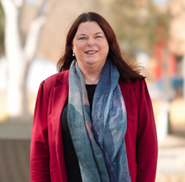
When we asked Susan what changes she has seen in audit and risk over the last 10 years, she said there has been a noticeable increase in the number of women on ARICs. And Susan’s observations are backed up by the data. According to Deloitte's 2024 "Women in the boardroom" report, Australia is a global leader, with nearly 50% of audit committee chairs at large listed companies held by women, ranking 8th globally.
So, while there is always more to do, it is also important to celebrate what we have achieved over the last 10 years.
